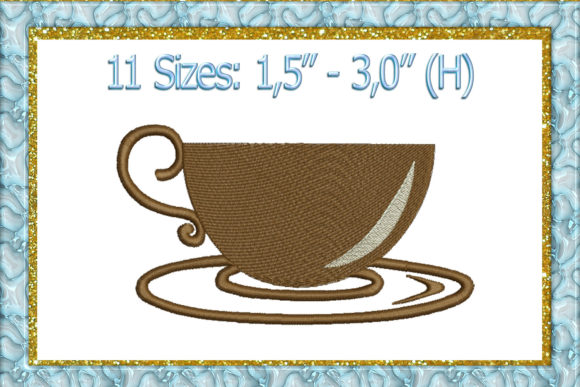
Сoffee Cup: A Best-Seller for Craft Fair Booths
As I set up my display table for this weekend's artisan market, I am constantly evaluating which machine embroidery design will stop a customer in their tracks. Among the piles of finished goods, the Сoffee Cup design immediately stands out as a potential top performer. In the world of handmade retail, themes related to daily rituals and comfort often drive sales, and nothing says "morning routine" quite like a steaming mug. This review breaks down why this specific Food category Embroidery file is a smart addition to your inventory, how it performs on various substrates, and what practical steps you need to take before stitching your first batch.
First Impressions and Market Appeal
The moment I pulled up the preview of the Сoffee Cup, the vibe felt undeniably cozy and inviting. It strikes a perfect balance between cute and functional, leaning heavily into the modern farmhouse aesthetic that dominates current home decor trends. For an Etsy seller or a booth owner, visual clarity is everything. This design appears bold enough to be recognized from three feet away, which is crucial when customers are walking past rows of tables. It does not rely on overly intricate shading that might get lost in a busy booth environment; instead, it uses clean lines and recognizable shapes to communicate its message instantly. The description notes it is perfect for those who need caffeine, tapping directly into the relatable humor and love for coffee that unites almost every demographic of craft fair shopper.
Ideal Products for Maximum Impact
When deciding where to place the Сoffee Cup for maximum sales potential, I look at items that people use daily. A tote bag design featuring this motif is a no-brainer. Shoppers love reusable bags, and a high-quality embroidered coffee cup turns a generic canvas tote into a statement piece. Similarly, apron embroidery is a strong contender. Kitchenware sells exceptionally well at holiday markets, and an apron with this design feels both professional and personal.
Beyond apparel, consider tea towel embroidery. Textiles with texture provide a lovely backdrop for satin stitches, making the cup pop against waffle weave or linen blends. For smaller price-point items, an embroidered patch version of this design could be applied to denim jackets or beanies, appealing to a younger crowd. Even simple fabric pouches or pillow covers benefit from this imagery, transforming a basic small shop product into a giftable item. The versatility of the Сoffee Cup allows it to serve as either a large focal point on a tote or a charming accent on a pocket.
Production Realities and Stitch Quality
From a production standpoint, efficiency is key when preparing for a craft fair. You need designs that are repeatable without causing machine headaches. The Сoffee Cup appears to have a logical stitch path, which suggests it should run smoothly. However, every experienced designer knows to check the stitch density before committing to a full run. If the design has dense fill areas representing the liquid or the cup body, you must ensure your stabilizer choice matches the weight of your fabric. Using a cut-away stabilizer on stretchy fabrics like jersey for t-shirts is essential to prevent distortion, while a tear-away might suffice for stable woven cottons used in tote bags.
One critical factor is the thread colors. Coffee themes usually involve rich browns, creams, and perhaps a splash of red or blue for branding. Ensure your thread chart matches the digital preview closely, as poor color matching can make a premium design look cheap. Since the product description mentions multiple embroidery file formats, you have the flexibility to resize the design to fit different hoop size constraints. Whether you are using a 4x4 hoop for patches or a larger frame for back-of-jacket designs, having the right file format prevents unnecessary re-digitizing.
Navigating Fabric Textures and Challenges
Not all surfaces are created equal. While the Сoffee Cup looks fantastic on flat cotton, applying it to textured towels or curved cap surfaces requires extra attention. On thick terrycloth, small details might sink into the loops of the fabric, reducing clarity. In these cases, a topping sheet is highly recommended to keep the stitches floating above the texture. Similarly, if you plan to embroider this onto caps, remember that the curved surface can cause registration issues if the design is too wide or has complex lettering. Always test on a scrap piece of the exact material you intend to sell.
Dark fabrics present another challenge. If you are stitching a light-colored coffee cup onto a black hoodie, the background fabric might show through sparse stitch areas. You may need to adjust the underlay settings or choose a slightly denser fill to ensure full coverage. The goal is to maintain the crispness of the image so that the finished product looks professional and durable after washing.
Boosting Brand Value and Customer Engagement
Incorporating the Сoffee Cup into your lineup does more than just add a product; it enhances your brand's perceived value. Handmade items with high-quality embroidery signal care and durability, distinguishing you from mass-produced imports. When customers see consistent, clean stitching across your booth samples, they trust the quality of your entire collection. This design acts as a conversation starter, allowing you to engage buyers with stories about your process or the inspiration behind the piece.
For online sales, the photogenic nature of this design is a huge asset. It creates excellent printable mockup opportunities for your digital listings. A well-lit photo of this design on a rustic wooden table with a real cup of coffee beside it creates an emotional connection that drives clicks and conversions. As a digital embroidery file provider, offering this as part of a bundle could also attract other creators looking for reliable design assets.
Final Checklist Before Production
Before you start batch-producing for the fair, run through this quick checklist to ensure success:
- Test on scraps: Always stitch a sample on the actual fabric you plan to use to check for puckering or gaps.
- Check contrast: Verify that your thread colors stand out against the fabric color, especially for dark materials.
- Review spacing: Ensure elements of the cup are not too close together, which can cause thread breaks.
- Confirm licensing: The description hints at commercial use, but always verify the specific license terms included with the commercial embroidery file to ensure you are compliant for resale.
- Create a mockup: Make at least one perfect sample to display on your table; customers buy with their eyes first.
The Сoffee Cup is more than just a pretty picture; it is a strategic product choice for the savvy maker. By understanding its strengths in visual appeal and adapting your production techniques to handle different fabrics, you can turn this single design into a best-selling staple for your handmade business. Whether you are an Etsy seller expanding your catalog or a local vendor filling a booth, this design offers the reliability and charm needed to thrive in today's creative marketplace.