Dog Footprint: A Craft Fair Best-Seller Review
As an embroidery designer preparing for a busy weekend at the local artisan market, I am constantly evaluating which machine embroidery design files will translate best from digital assets to tangible sales. Today, I am reviewing the Dog Footprint design. With the pet niche remaining one of the most lucrative sectors for handmade goods, this specific file promises to be a versatile workhorse for any booth display. The description touts it as "simple and cute," a combination that often spells success for impulse buyers looking for gifts for pet lovers.
First Impressions and Market Appeal
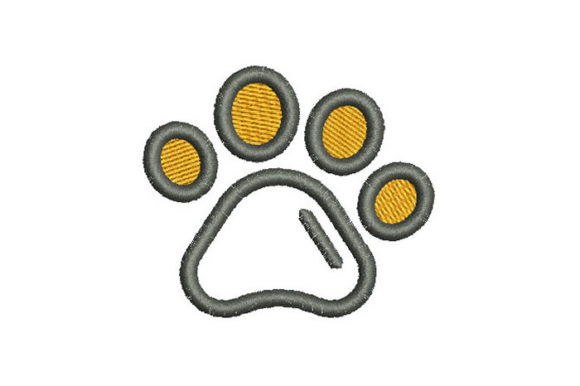
Upon loading the digital embroidery file into my simulation software, the immediate impression is one of approachable charm. The Dog Footprint does not try too hard to be complex; instead, it leans into a minimal, decorative aesthetic that fits perfectly with current farmhouse and modern rustic trends. For a craft fair environment, where customers scan tables quickly, clarity is king. This design offers instant recognition. It feels soft and inviting, making it an ideal candidate for adding a nice accent to clothing and home decor without overwhelming the base material.
The simplicity of the motif suggests it will perform exceptionally well as a small shop product staple. Whether placed on a neutral linen tote or a colorful kitchen apron, the silhouette of the paw print communicates love for Dogs immediately. It lacks the visual noise that can sometimes confuse buyers from a distance, ensuring that the message is received at a glance.
Product Versatility for the Booth
When planning my table layout, I am visualizing exactly where the Dog Footprint will shine. Its adaptability is its strongest selling point. Here is how I plan to deploy it across various craft fair products:
- Tote Bags and Market Bags: This is likely the highest volume seller. A tote bag design featuring a single, centered paw print on canvas creates a chic, understated look that appeals to dog owners who want to show their passion subtly.
- Kitchen Linens: For tea towel embroidery and apron embroidery, this design acts as a perfect corner accent or a hem detail. It elevates a standard cotton towel into a thoughtful gift item.
- Patches and Pouches: Scaling the design down for an embroidered patch allows for high-margin add-on sales. Customers love buying patches to customize their own jackets or bags later.
- Caps and Hats: Placing the motif on the side or front of a cap adds a playful touch, though the curvature of the fabric requires careful hooping.
- Pillow Covers: As a focal point on a throw pillow, it adds texture and warmth to home decor displays.
For the Etsy seller or online boutique maker, this design also photographs beautifully. The clean lines create high contrast in images, making it easy to generate a compelling printable mockup for listings. Visual appeal drives clicks, and the Dog Footprint has the kind of universal recognition that stops the scroll.
Production Practicality and Batch Efficiency
From a production standpoint, time is money. A design described as "simple" usually implies a lower stitch count and fewer color changes, which is crucial for batch production. If I need to embroider twenty tote bags before Saturday morning, the Dog Footprint is the type of embroidery file that allows me to run multiple hoops simultaneously without constant monitoring.
The design appears to work well as both a small accent and a medium-sized focal piece. This flexibility means I can use the same file for a tiny pocket detail on a child's shirt and a large statement piece on a blanket, maximizing the value of a single purchase. However, before committing to a full production run, there are critical technical factors to consider to ensure the finished product maintains a premium feel.
Technical Considerations and Careful Use
While the design is straightforward, successful execution depends on respecting the limitations of the medium. Here are my professional notes for working with this specific motif:
- Stitch Density and Fabric Texture: On textured towels or thick canvas, ensure the stitch density is appropriate. If the stitches are too sparse, the backing fabric might peek through, ruining the solid look of the paw pad. Conversely, on delicate fabrics, high density can cause puckering.
- Thread Colors: Since the design is simple, the choice of thread colors becomes the primary driver of style. High contrast (e.g., black thread on white fabric) looks bold and modern, while tonal stitching (e.g., cream on beige) offers a subtle, premium vibe. Test several combinations to see what resonates with your specific brand.
- Small Details and Clarity: If scaling the design down for patches or small pouches, verify that the details do not lose clarity. Tiny gaps between stitch areas can fill in with thread buildup if the design is reduced too far.
- Curved Surfaces: When applying this to caps, the curved surface can distort the shape of the footprint. Proper hooping techniques and a sturdy stabilizer are non-negotiable here to prevent the design from leaning or warping.
- Dark Fabrics: Ensure the design includes underlay stitches sufficient to cover dark fabric textures, or plan to use a lighter top thread that provides adequate coverage without looking thin.
Maximizing Value and Brand Consistency
Incorporating the Dog Footprint into your lineup can significantly boost buyer engagement. Pet owners are an emotional demographic; they buy with their hearts. A well-executed embroidery piece signals quality and care, reinforcing your reputation as a skilled artisan. It strengthens brand consistency by allowing you to offer a cohesive collection of dog-themed items without them looking cluttered or cheap.
To get the best results, I always advise testing the design on scrap fabric first. Check the spacing between the toes and the main pad to ensure they breathe well. Confirm the required hoop size matches your machine's capabilities, especially if you plan to do all-over prints or large placements. Most importantly, review the licensing terms included with the file. While many designs allow for commercial embroidery on finished physical goods, rules regarding reselling the digital file itself vary. Always confirm you have the right to sell the handmade product before setting up your booth.
Ultimately, the Dog Footprint represents a low-risk, high-reward addition to any embroidery business. Its blend of simplicity, cuteness, and versatility makes it a reliable performer for both physical craft fairs and digital marketplaces. By paying attention to fabric choices, stabilizer selection, and presentation, this design can become a cornerstone of your product catalog, delighting customers and driving sales season after season.