Cherry: A Sweet Seasonal Embroidery Design Review
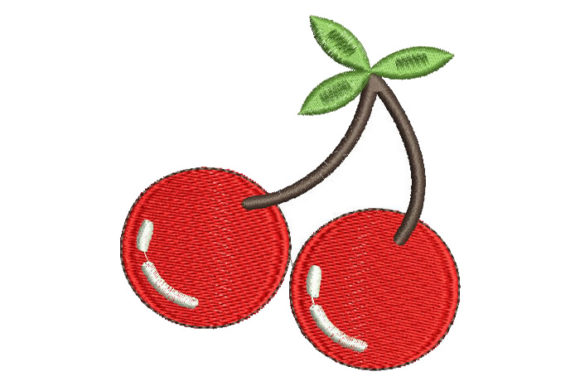
As an embroidery designer constantly scouting for the next big hit for my seasonal collections, I recently took a close look at the Cherry machine embroidery design. In the world of digital embroidery files, finding a motif that balances playful charm with commercial viability can be tricky. However, this superb digital embroidery of a couple of cherries immediately caught my eye. It promises to add a sweet pop of color to creations, and after reviewing its potential for spring outfits, kitchen decor, and bedsheets, I am ready to share my professional assessment on how this design fits into a holiday and seasonal product strategy.
First Impressions: Mood and Decorative Style
The first thing that strikes me about Cherry is its emotional tone. It feels undeniably cheerful, nostalgic, and slightly rustic, evoking memories of summer picnics and farmhouse kitchens. While the product category is listed under Food, the aesthetic transcends mere culinary representation; it taps into a broader "cottagecore" and vintage vibe that is currently dominating social media and handmade marketplaces. The design does not feel overly modern or sterile; instead, it carries a warmth that suggests comfort and home.
For a seasonal shop owner, this versatility is gold. The design feels festive enough for a spring celebration yet cozy enough for year-round home decor. Whether you are aiming for a romantic Valentine's Day drop or a bright Easter collection, the visual recognition of cherries is instant. It signals freshness and sweetness, two emotions that drive impulse buys during holiday shopping periods. For Etsy sellers and small business owners, this kind of immediate visual connection is crucial for stopping the scroll on Instagram or Pinterest.
Real-World Application in Holiday Selling
When planning a seasonal collection, I always ask: "Where does this actually sell?" The Cherry embroidery file shines in several specific real-case scenarios. First, consider the surge in demand for coordinated family items. This design is perfect for creating matching sweatshirt embroidery sets for mothers and daughters or entire families doing a spring photoshoot. The simplicity of the couple of cherries allows it to scale well without losing detail, making it ideal for chest pockets or sleeve accents.
Furthermore, the home decor market is ripe for this motif. Imagine a set of kitchen towel embroidery pieces featuring these cherries alongside matching pot holders. These make exceptional handmade gifts for housewarmings, Mother's Day, or hostess presents. The design also translates beautifully to a tote bag design, offering a cute, everyday accessory that appeals to students and eco-conscious shoppers alike. For those creating limited-edition apparel drops, pairing this design with pastel thread colors on white or cream garments creates a high-value, boutique feel that justifies a premium price point.
In terms of giftability, Cherry excels in bundle creation. You could easily pair an embroidered pillow cover with a matching apron or even create a curated "Spring Kitchen" box set. These bundles increase the average order value and provide a ready-made solution for customers struggling to find the perfect personalized gift. Additionally, the design works wonderfully as an embroidered patch, which can be ironed onto denim jackets or canvas bags, appealing to a younger demographic looking to customize their gear.
Technical Considerations and Fabric Challenges
While the aesthetic appeal is high, a professional review must address the technical execution. When working with any digital embroidery file, especially one intended for commercial embroidery, attention to detail is paramount. One area requiring careful consideration is the stitch density. If the design is too dense, it may cause puckering on lighter fabrics like cotton voile or linen, which are popular for spring outfits and bedsheets. Conversely, if the density is too low, the design might lack definition on thick towels or heavy fleece used for hoodies.
I strongly advise testing thread colors on both light and dark fabric before committing to a large production run. While red and green are obvious choices, experimenting with monochromatic schemes or metallic thread could elevate the design for holiday-specific products, such as Christmas ornaments or New Year's Eve accessories. However, be cautious with metallic threads on stretchy garments, as they can be less flexible and prone to breaking during wear and washing.
Hoop size is another critical factor. Since the product description mentions it looks amazing on various items, you must confirm the hoop size required for your specific machine. If you are stitching on curved caps or small baby items, ensure the design fits within a smaller hoop without compromising the integrity of the stitches. Also, pay close attention to tiny lettering if you plan to personalize the item with names or dates near the cherries; intricate details can get lost if the stabilizer is not appropriate for the fabric texture. Always use proper stabilizer to ensure the finished product withstands repeated washing, a key requirement for kitchen linens and apparel.
Maximizing Seasonal Appeal and Brand Consistency
Integrating Cherry into your inventory can significantly boost buyer emotion and brand consistency. During holiday seasons, customers are looking for items that feel special and timely. A cohesive collection featuring this design across different products—such as pillow covers, aprons, and tote bags—creates a strong visual identity for your small shop product line. This consistency builds customer trust, as shoppers recognize your brand's attention to detail and thematic planning.
To maximize engagement, create realistic mockups and printable mockup graphics for your online listings. Show the design in context: stitched onto a cozy sweater, adorning a picnic blanket, or embellishing a gift bag. Visualizing the finished product helps customers imagine owning it, thereby increasing conversion rates. Remember, the goal is not just to sell an embroidery file or a stitched item, but to sell the feeling of the season that the design represents.
Designer Notes for Success
Before adding Cherry to your seasonal lineup, keep these practical notes in mind:
- Test Extensively: Run test stitches on various fabric textures, from waffle weave kitchen towels to soft jersey knits, to check how the thread colors interact with the material.
- Review Details: After stitching, closely inspect small details to ensure no gaps or loose threads, which is vital for maintaining a premium look.
- Plan Palettes: Develop matching color palettes that extend beyond traditional red and green to include pastels for spring or deep burgundies for autumn.
- Check Licensing: Most importantly, confirm commercial licensing terms before selling finished seasonal products. Ensure you have the right to sell items made with this digital embroidery file.
- Verify Specs: Since exact stitch count, file format, and specific hoop dimensions were not detailed in the initial description, always check the download package or contact the creator to ensure compatibility with your machinery.
In conclusion, Cherry is a versatile and emotionally resonant addition to any embroidery designer's toolkit. Its ability to bridge the gap between food-themed decor and fashionable apparel makes it a standout choice for holiday embroidery and seasonal collections. By paying attention to technical details like stabilizer choice and stitch density, and by leveraging its strong visual appeal in marketing materials, you can turn this simple motif into a best-selling asset for your handmade business.