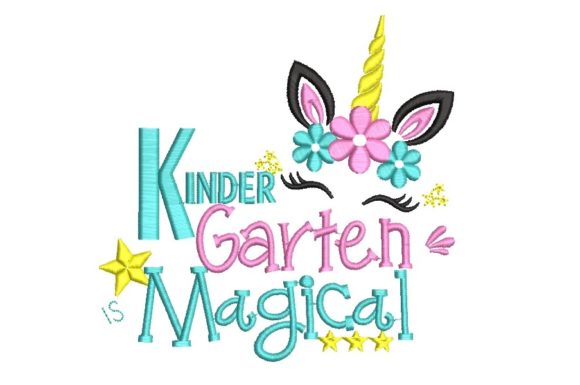
Unicorn for Kindergarten: A Designer's Review
As an embroidery designer who spends countless hours digitizing and stitching for clients, I am always cautious when selecting pre-made designs for commercial projects. The market is flooded with generic assets, but every so often, a file stands out for its potential to elevate a handmade product. Recently, I evaluated Unicorn for Kindergarten from Creative Fabrica to determine if it could meet the rigorous standards of my small business. This review breaks down the visual appeal, technical considerations, and real-world application of this machine embroidery design for those looking to expand their Fairy Tales collection.
First Impressions and Visual Mood
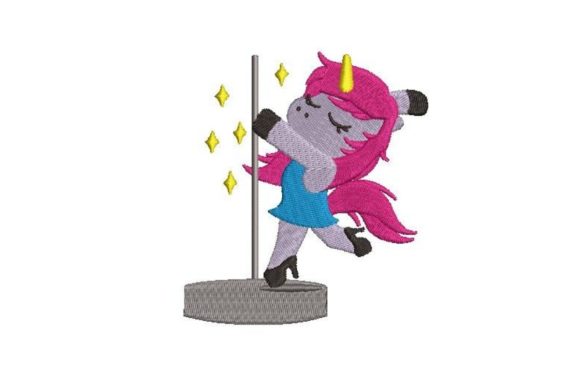
Upon opening the preview files for Unicorn for Kindergarten, the immediate impression is one of whimsy and softness. The design captures the essence of early childhood magic without being overly cluttered. For a designer, the "stitching personality" of a file is crucial; does it look like it was drawn by a computer, or does it mimic the flow of hand-drawn art? This design leans towards the latter, offering a playful aesthetic that naturally fits nursery decor, children's apparel, and personalized gifts.
The color palette suggested in the mockups is vibrant yet gentle, perfectly suited for the target demographic. It avoids harsh contrasts that might look jarring on soft baby fabrics. The decorative appeal lies in its simplicity; it is detailed enough to be interesting but clean enough to remain legible on smaller items like backpacks or pocket patches. For Etsy sellers and craft fair vendors, this balance is vital because it ensures the finished product looks professional rather than amateurish.
Real-World Application Scenarios
When considering where to place Unicorn for Kindergarten, the versatility is immediately apparent. I envisioned using this embroidery file for a range of custom apparel and home goods. Here is how it performs across different mediums:
- Custom Apparel: The design is ideal for sweatshirt embroidery on the chest or sleeve. Its scale works well on children's sizes without overwhelming the garment.
- Tote Bags and Backpacks: As a tote bag design, it adds a charming focal point. The sturdy canvas of a bag supports the stitch density well, making it a durable option for school use.
- Nursery Decor: Stitched onto a pillow cover or framed as wall art, this piece enhances the magical theme of a child's room.
- Handmade Gifts: It serves as an excellent centerpiece for baby blankets or burp cloths, transforming a standard item into a thoughtful, personalized gift.
- Commercial Embroidery: For boutique merchandise, this design can be applied to aprons or kitchen towels, appealing to parents who love coordinating home goods.
The ability to visualize these applications through a printable mockup before stitching saves significant time and resources. It allows designers to present options to clients confidently, knowing the aesthetic aligns with current trends in children's fashion and decor.
Technical Considerations for Professional Results
While the visual appeal is strong, a professional review must address the technical execution. Every machine embroidery design has quirks, and understanding them prevents costly mistakes on customer orders.
Fabric and Stabilizer Choices
One of the primary concerns with any design intended for children is durability. Kids' clothes and backpacks undergo frequent washing and rough handling. When working with Unicorn for Kindergarten, selecting the right stabilizer is non-negotiable. For stretchy fabrics like t-shirts or sweatshirts, a cut-away stabilizer is recommended to prevent distortion over time. On woven fabrics like tote bags or pillow covers, a tear-away might suffice, but testing on scrap fabric is essential first.
Textured fabric presents another challenge. If you plan to stitch this on a fluffy towel or a corduroy jacket, the fine details of the unicorn might get lost. In such cases, using a water-soluble topping can help keep the stitches crisp and prevent them from sinking into the pile.
Hoop Size and Placement
Before loading the digital embroidery file, confirm the hoop size requirements. While the product description mentions multiple embroidery formats, specific dimensions should be verified on the Creative Fabrica product page. If the design is large, it may not fit on a standard cap frame without resizing, which can alter the stitch density and cause thread breaks. Curved cap surfaces require extra attention; if the design includes tiny lettering or dense fill stitch areas, stretching the fabric during hooping could distort the image.
Stitch Density and Thread Colors
Reviewing the stitch density is critical for dark fabric applications. If the design relies heavily on satin stitch borders, ensure there is adequate underlay to prevent the base fabric from showing through. Conversely, if the design uses running stitch for delicate features, verify that the thread colors provide enough contrast against the material. A lack of contrast can make the intricate details of the unicorn invisible from a distance, reducing the visual impact of the finished product.
Enhancing Product Value and Brand Trust
In the competitive world of handmade shops, the quality of your design assets directly influences buyer trust. Using a high-quality file like Unicorn for Kindergarten signals to customers that you care about the details. A clean, well-digitized design results in a finished product that looks polished, which in turn justifies a higher price point.
Brand consistency is also easier to maintain when your source files are reliable. If you offer a line of Fairy Tales themed products, this unicorn acts as a cohesive element that ties your collection together. Furthermore, the "giftability" of an item increases when the embroidery is flawless. Customers are more likely to engage with your brand and leave positive reviews when the product photography showcases crisp, vibrant stitching that matches the online mockup.
Final Verdict and Best Practices
After a thorough evaluation, Unicorn for Kindergarten appears to be a solid addition to a designer's library, particularly for those focusing on the children's market. Its charm is undeniable, and its application range is broad. However, success depends on preparation.
Before committing to a full production run or a customer order, adhere to these best practices:
- Test on Scrap Fabric: Always stitch a sample on the exact material you intend to use for the final product.
- Check File Details: Verify the included formats and license terms on the Creative Fabrica product page to ensure compliance for commercial embroidery projects.
- Inspect Small Details: After the test stitch, examine the smallest elements under good light to ensure no jumps or loose threads compromise the look.
- Compare Mockups: Visualize the design on both light and dark backgrounds to anticipate any contrast issues.
- Confirm Licensing: Ensure the license allows for the sale of finished physical goods, which is standard for most Creative Fabrica embroidery files but always worth double-checking.
In conclusion, if you are looking to add a touch of magic to your custom apparel or home decor lines, this design offers a promising foundation. With proper technique and material selection, Unicorn for Kindergarten can help you create standout products that delight customers and grow your creative business.