Fairy Silhouette: A Designer's Review for Branded Merch
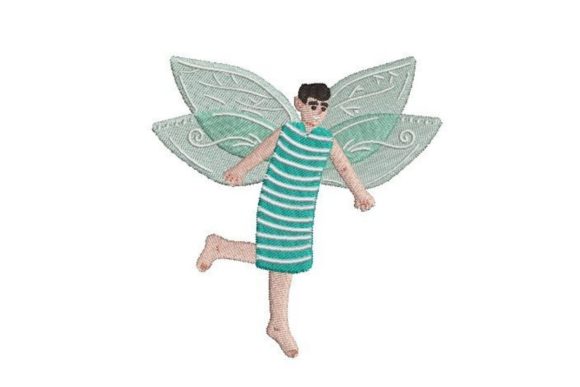
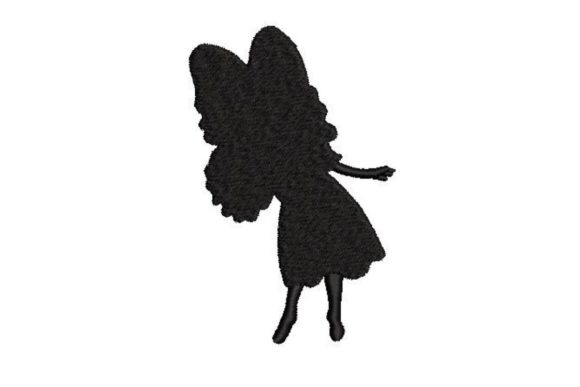
As an embroidery designer who spends most of my days digitizing logos and testing files for commercial production, I approach every new machine embroidery design with a critical eye. It is not just about whether a image looks cute on a screen; it is about how that digital embroidery file translates into thread on real fabric. Recently, I reviewed the Fairy Silhouette, a piece categorized under Fairy Tales, to see if it holds up as a viable asset for small business merchandise. While the product description suggests it for nursery decor and kids' clothes, my goal was to determine if this delicate motif could elevate a brand's identity on patches, uniforms, and custom apparel.
First Impressions: Visual Personality and Brand Fit
The first thing you notice about the Fairy Silhouette is its inherent softness. The description promises a "magical touch," and visually, the design delivers on that front. It feels whimsical, elegant, and undeniably handmade. For a boutique bakery, a florist, or a creative studio specializing in children's products, this aesthetic is gold. It avoids the harsh, corporate feel of standard vector logos, offering instead a sense of warmth and approachability.
However, from a professional standpoint, "delicate" can be a double-edged sword. In the world of commercial embroidery, fine details often get lost when scaled down. My initial assessment is that this design shines as a secondary branding element rather than a primary logo for a construction company or a tech firm. It speaks to businesses that value creativity, gentleness, and storytelling. If your brand identity relies on being premium yet playful, this silhouette fits the bill perfectly.
Real-World Application for Small Business Merch
Let's move beyond theory and look at how the Fairy Silhouette performs in actual production scenarios. I evaluated its potential across several common items used by Etsy sellers and local shops.
- Embroidered Patches: This is perhaps the strongest use case. A woven or embroidered patch featuring this fairy could serve as a beautiful hang-tag alternative or a sew-on label for handmade clothing lines. It adds a seal of quality that feels artisanal.
- Apron Embroidery: For a boutique cake decorator or a floral designer, placing this silhouette on the chest pocket of a linen apron creates an instant conversation starter. It reinforces the "magic" of the service provided.
- Tote Bag Design: Canvas tote bags are staples for market vendors. The fairy works well here, provided the stitch count isn't too high, which could cause the fabric to pucker. It transforms a generic bag into branded merchandise.
- Cap Embroidery: This requires caution. Curved surfaces like baseball caps distort designs. The silhouette would need to be simplified or enlarged to ensure the wings and outline remain distinct on the front panel.
- Staff Uniforms: On a work shirt sleeve or near the collar, the fairy acts as a subtle mark of ownership. It is less aggressive than a large back print, offering a touch of personality to staff attire.
Technical Considerations and Stitch Density
When reviewing any embroidery file, technical execution is paramount. The description mentions the design comes with features suitable for baby accessories, which implies it may be optimized for softer fabrics. However, when adapting it for heavier materials like denim jackets or canvas totes, one must consider stitch density. If the fill is too dense, the design becomes stiff and may crack after washing. If it is too sparse, the backing shows through, ruining the professional look.
For small business owners, I strongly advise running a test stitch-out on the exact fabric you intend to use. Pay close attention to the thread colors. A monochromatic look (using one thread color) often yields a more modern, sophisticated result for silhouettes, whereas multi-color versions might look too juvenile for certain adult-oriented brands. Additionally, verify the hoop size requirements. If the design is large, you may need a jumbo hoop, which limits where you can place it on garments like caps or narrow sleeves.
Where to Use Caution
While the Fairy Silhouette is charming, it is not universally applicable without adjustments. There are specific scenarios where this design could fail if not handled correctly:
- Tiny Patch Sizes: If you attempt to shrink this below 2 inches, the fine details of the wings and body will likely merge into a blob. It needs breathing room to maintain its integrity.
- Textured Fabric: On highly textured items like terry cloth towels or rough wool, the delicate outlines may get lost. Smooth fabrics like twill, cotton, or polished polyester are safer bets.
- Dark Uniforms: Ensure you have high-contrast thread options. A dark grey fairy on a black shirt will vanish. You may need to add a satin border or underlay to make it pop on dark backgrounds.
- Frequent Washing: Items like kitchen aprons or gym shirts undergo rigorous cleaning. Verify that the stitching is secure and that the design does not rely on tiny, loose threads that could snag.
Impact on Brand Identity and Customer Trust
Incorporating a motif like the Fairy Silhouette into your small business merch strategy does more than just decorate an item; it curates an experience. When a customer receives a package with a custom patch or a tote bag featuring this design, it signals attention to detail. It suggests that the brand cares about aesthetics and the "magic" of the unboxing experience. This visual consistency builds trust. It tells the buyer that you are not just selling a product, but a lifestyle or a feeling.
For handmade product creators, this level of customization separates you from mass-market competitors. It elevates the perceived value of the finished product, allowing you to justify higher price points. A simple tote bag becomes a collectible; a plain apron becomes a uniform of a skilled artisan.
Practical Notes for the Professional Embroiderer
Before you commit to producing a run of merchandise with the Fairy Silhouette, follow these professional steps to ensure success:
- Test in Black and White: Print the design or stitch it in a single neutral color first to check the clarity of the shape without the distraction of color blending.
- Check Scalability: Confirm that the design retains its definition at the smallest size you plan to use, especially for patches.
- Review Stabilizer Needs: Delicate designs often require cut-away stabilizer rather than tear-away to prevent distortion over time, especially on stretchy fabrics.
- Create a Printable Mockup: Before stitching, generate a printable mockup to show your client or to visualize the placement on the garment. This saves time and thread.
- Verify Licensing: The product description mentions usage for kids' clothes and nursery places, but always confirm the commercial licensing terms. Ensure you have the right to use this design asset for resale items or branded merchandise.
- Compare Assets: Place this silhouette beside your existing logo elements. Does it clash, or does it complement your current visual language?
In conclusion, the Fairy Silhouette is a versatile tool in the Embroidery designer's kit, particularly for those in the Fairy Tales niche or businesses targeting a gentle, magical aesthetic. While it requires careful handling regarding size and fabric choice, its potential to enhance brand identity and create memorable custom apparel is significant. With the right preparation and testing, this design can transform ordinary goods into cherished branded treasures.