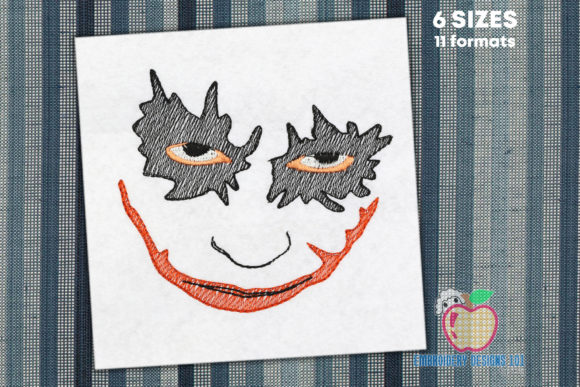
Scary Clown Face: A Designer's Review for Spooky Projects
As a designer who spends more time staring at stitch maps than most people care to admit, I approach new machine embroidery design files with a mix of excitement and skepticism. When I first loaded the Scary Clown Face onto my screen, the immediate reaction was a grin—both from the design itself and from me. There is something undeniably compelling about the circus theme when executed well, and this file promises a spooky touch that fits perfectly into the current trend of retro-horror aesthetics. However, liking a graphic on a monitor is very different from trusting it on a finished product. Today, I am breaking down how this design performs in real-world scenarios, specifically for those of us running craft businesses or creating high-end personalized gifts.
First Impressions and Visual Personality
The visual personality of the Scary Clown Face is bold. It does not try to be subtle, which is exactly what a clown should be. The layout suggests a strong central focus, ideal for chest placements on sweatshirts or the center of a tote bag. From a technical standpoint, the balance between the eyes, the exaggerated smile, and the overall head shape appears solid. For an embroidery project to succeed, the proportions must hold up when scaled down or up. This design seems to maintain its character integrity, avoiding the "blob" effect that plagues many low-quality digital files when stitched out at smaller sizes.
The mood it creates is playful yet eerie, making it a versatile asset. It is not so terrifying that it alienates customers looking for fun Halloween decor, but it has enough edge to appeal to the alternative fashion crowd. For an Etsy seller or small shop owner, this duality is gold. You can market it as a quirky holiday item in October and pivot to general "circus chic" apparel the rest of the year.
Real-World Application: The Custom Sweatshirt Test
To truly evaluate this embroidery file, I imagined a specific client request: a custom oversized crewneck for a local music festival with a carnival theme. The goal was to create a statement piece that feels handmade but professional. Placing the Scary Clown Face on the back of a heavy cotton blend sweatshirt allows the design to breathe. The fabric texture of a sweatshirt provides enough stability to support the likely dense stitch areas found in the clown's features without excessive puckering.
If you are considering this for custom apparel, think about the thread colors. A classic red nose and blue tears against a black garment create high contrast, ensuring the design pops from a distance. However, if you are aiming for a vintage look, using muted tones on a heather grey fabric could give the finished product a worn-in, boutique feel. The design's strength lies in its ability to anchor a garment; it becomes the focal point that defines the entire piece.
Versatility Across Products
Beyond apparel, the potential applications for this design are extensive. Here is how I see it fitting into various product lines:
- Tote Bag Design: Perfect for canvas bags where a large, central graphic is needed. The sturdy fabric supports the weight of the stitching.
- Embroidered Patch: If your machine supports patch creation, this face is an excellent candidate for an iron-on or sew-on badge, adding value to jackets or hats.
- Holiday Embroidery: An obvious choice for Halloween pillow covers or kitchen towels, adding a seasonal flair to home decor.
- Baby Embroidery: Use with caution here. While cute, ensure the "scary" elements are softened with pastel threads if targeting the nursery market.
- Small Shop Product: Ideal for branding merchandise like aprons for a bakery with a whimsical theme or staff uniforms for a themed event.
Technical Considerations and Fabric Challenges
While the aesthetic is strong, practical execution requires attention to detail. One area where designers often stumble is using complex faces on difficult fabrics. If you plan to stitch the Scary Clown Face on stretchy fabrics like jersey knits or thin performance tees, you must use a high-quality stabilizer. Without proper backing, the stitch density required for the facial features could cause the fabric to pucker or distort the clown's smile into something unintentionally grotesque.
Curved surfaces present another challenge. Stitching this on a cap requires careful hooping. The forehead area of the clown might align well with the front panel of a hat, but you need to verify the hoop size compatibility. If the design is too wide, it will wrap around the curve awkwardly. Always check the dimensions of the file before committing to a cap project.
Furthermore, consider the stitch types involved. If the design utilizes a lot of satin stitch for the outlines, it will have a shiny, premium look but may be prone to snagging if used on items that undergo frequent washing, like gym bags or children's clothes. Conversely, if it relies heavily on fill stitch, the texture will be softer, but the detail level in the eyes and teeth needs to be sharp enough to remain clear. A quick test run on scrap fabric of the same weight as your final material is non-negotiable.
Enhancing Brand Value and Customer Trust
For creative entrepreneurs, the quality of your design assets directly impacts your brand consistency. Using a crisp, well-digitized file like Scary Clown Face signals professionalism. Customers can tell when an embroidery job looks muddy or poorly planned. A clean stitch-out builds trust and encourages repeat business. Whether you are selling printable mockups to other designers or physical handmade products, the clarity of the final image matters.
When listing this on platforms like Etsy, highlight the versatility. Show photos of the design on different backgrounds—light fabric, dark fabric, and perhaps even a textured towel. This helps buyers visualize the personalized gift potential. It shows that you have tested the limits of the design and stand behind its quality.
Final Verdict and Designer Notes
The Scary Clown Face is a robust addition to any Circus themed collection. It strikes the right balance between fun and spooky, making it a reliable choice for seasonal spikes in sales as well as year-round niche markets. However, success depends on preparation. Before launching a full production run or offering this as a commercial service, keep these practical steps in mind:
- Test First: Always stitch a sample on scrap fabric to check tension and registration.
- Check Contrast: Ensure your thread colors provide enough definition, especially for the eyes and mouth details.
- Review Density: If the design feels too stiff after stitching, consider editing the fill density in your software if you have the rights to do so.
- Verify Licensing: Confirm whether the file allows for commercial use if you intend to sell finished items or digital derivatives.
- Mockup Variety: Create black and white mockups to ensure the design holds its form without relying solely on color.
In the world of commercial embroidery, reliability is key. This design offers a strong foundation for creative expression, provided you respect the technical requirements of your materials. With the right stabilizer, thread choices, and fabric selection, the Scary Clown Face can transform a simple blank garment into a standout piece that customers will love to wear and display.