Realistic Mini Bee: A Sweet Touch for Handmade Gifts
As an embroidery designer who spends countless hours hooping fabric and threading needles, I am always on the lookout for designs that strike the perfect balance between technical precision and emotional charm. When I first encountered the Realistic Mini Bee on Creative Fabrica, my immediate reaction was one of delight. In the world of Bugs and nature-themed Embroidery, it is easy to find designs that feel too cartoonish or overly complex, but this machine embroidery design hits a sweet spot. It feels organic, delicate, and incredibly versatile for anyone looking to create meaningful personalized gifts.
The First Impression: Charm in Every Stitch
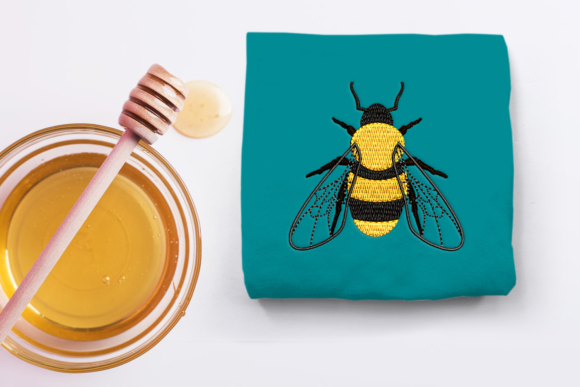
The visual appeal of the Realistic Mini Bee lies in its realism without sacrificing the softness required for handmade products. Unlike some aggressive insect motifs, this design exudes a cozy and playful energy. The attention to detail in the wings and body segmentation suggests a high-quality digital embroidery file that respects the limitations of the machine while maximizing aesthetic impact. For an Etsy seller or small shop owner, first impressions are everything. This design screams "handmade with love" rather than "mass-produced." It carries a gentle elegance that fits seamlessly into modern nurseries, rustic kitchen decor, or romantic wedding themes.
Ideal Projects for the Realistic Mini Bee
One of the greatest strengths of this design is its adaptability across various product categories. Because it is a "mini" design, it does not overwhelm small items, making it perfect for baby embroidery. Imagine stitching this onto the corner of a muslin swaddle blanket or the chest of a tiny onesie; it adds a touch of whimsy that parents adore. The scale is also ideal for embroidered towels, where a large motif might get lost in the texture of the terry cloth or feel too heavy for the fabric.
For those creating wedding gifts, the bee symbolizes community and sweetness, making it a thoughtful addition to tea towels for a new home or a tote bag for a bridesmaid proposal. I can easily envision this design elevating a simple pillow cover into a statement piece for a sunroom or reading nook. Furthermore, for craft fair vendors, the Realistic Mini Bee works beautifully on aprons and canvas tote bags. Its universal appeal means it can be marketed as a unisex item or a gender-neutral nursery accent, broadening your customer base significantly.
Technical Considerations for a Flawless Finish
While the design is beautiful, practical execution is key to maintaining customer trust. When working with realistic details, stitch density becomes a critical factor. A design that is too dense can cause puckering, especially on stretchy baby clothes or textured towels. Before committing to a final product, it is essential to create a test stitch-out on a scrap piece of your intended fabric. This allows you to assess how the thread colors blend and whether the small details hold up under tension.
Fabric texture plays a massive role in the finished product. On smooth cotton or linen, the fine lines of the bee will appear crisp and defined. However, on looped towels or thick blankets, some of the finer details might get lost. In these cases, choosing high-contrast thread colors can help the design pop. If you are stitching on dark fabric, ensure you have the appropriate underlay settings or consider using a lighter thread palette to maintain visibility. Always pair your project with the correct stabilizer; a cut-away stabilizer is often best for garments that will be washed frequently, ensuring the design remains durable and does not distort over time.
Boosting Perceived Value and Customer Engagement
In the competitive market of handmade goods, the perceived quality of your item often dictates its price point. The Realistic Mini Bee contributes significantly to this perception. A well-executed embroidery design signals professionalism and care. When customers see neat stitching with no loose threads or registration errors, their trust in your brand deepens. This emotional value transforms a simple towel or pillow into a cherished keepsake.
For product photography, this design offers excellent opportunities. The realistic nature of the bee catches light beautifully, allowing you to capture close-up shots that highlight the texture of the threads. These images are crucial for printable mockups and online listings, helping potential buyers visualize the quality of the finished product. Whether you are selling custom embroidery for local clients or listing digital embroidery files for others to use, the versatility of this design enhances buyer engagement.
Essential Steps Before You Stitch
To ensure the best results with the Realistic Mini Bee, follow these practical steps:
- Create a test stitch-out: Never skip this step, especially when trying a new fabric type.
- Check small details: Inspect the wings and antennae after stitching to ensure they are clean and connected.
- Compare thread colors: Match your thread chart to the design preview to ensure the realism translates to physical thread.
- Test on similar fabric: If your final product is a thick blanket, do not test on thin cotton.
- Confirm hoop size: Ensure the design fits comfortably within your hoop without needing excessive re-hooping.
- Review stitch density: Adjust your machine settings if the fabric appears to pucker.
- Use proper stabilizer: Select a stabilizer that matches the weight and stretch of your fabric.
- Check product details: Always review the specific file formats, hoop requirements, and licensing terms on Creative Fabrica before using the design for commercial embroidery projects.
Final Thoughts on Design Utility
The Realistic Mini Bee is more than just a cute image; it is a functional asset for any embroidery business. Its ability to work across seasons—from spring garden themes to autumn harvest decor—makes it a staple in your library. Whether you are crafting a family keepsake, a holiday ornament, or a custom gift box topper, this design delivers consistent quality. By paying attention to the technical nuances of fabric and stabilizer, you can turn this digital file into a tangible object of beauty. For designers and makers alike, it represents the kind of reliable, high-charm content that keeps customers coming back for more.