Japanese Koi Fish: Elegant Embroidery for Meaningful Gifts
As an embroidery designer who has spent years translating digital files into tangible, heirloom-quality keepsakes, I am always on the lookout for designs that balance artistic flair with technical reliability. When I first encountered the Japanese Koi Fish machine embroidery design on Creative Fabrica, I was immediately drawn to its serene aesthetic. In the world of handmade products, few motifs carry as much emotional weight and visual grace as the koi. This specific design promises to add a beautiful yin-yang symbol to creative projects, blending traditional symbolism with modern decorative style.
For Etsy sellers, small shop owners, and crafters looking to elevate their personalized gift offerings, this design represents more than just a pattern; it is a tool for storytelling. Whether you are creating a nursery item for a new baby, a wedding gift for a couple starting their journey, or a custom home decor piece for a client who loves nature, the elegance of this fish motif offers a versatile foundation. Let's dive into how this digital embroidery file performs in real-world scenarios and why it might be the perfect addition to your library.
First Impressions: A Blend of Tradition and Softness
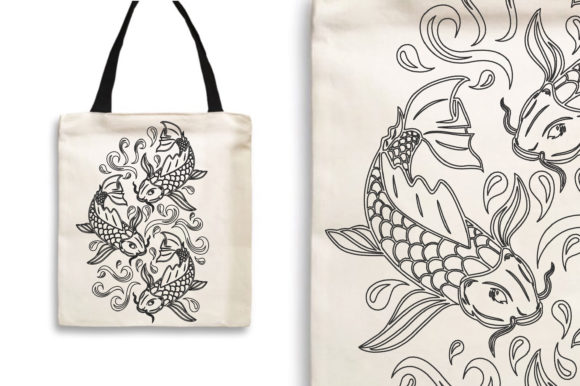
The initial appeal of the Japanese Koi Fish lies in its emotional resonance. Unlike bold, cartoonish graphics often found in children's wear, this design exudes a classic and romantic charm. The inclusion of the yin-yang element suggests balance and harmony, making it particularly suitable for gifts intended to bring peace or celebrate a union. Visually, the design feels soft yet detailed, capturing the fluid movement of the fish without becoming overly complex.
From a designer's perspective, the "handmade charm" is evident even before the needle hits the fabric. The lines appear clean, suggesting a well-digitized embroidery file that respects the limitations of the machine while maximizing aesthetic impact. It feels sweet enough for a baby blanket but elegant enough for a formal throw pillow. This duality is rare and incredibly valuable for creators who need a single asset to serve multiple market niches, from baby embroidery to sophisticated wedding gifts.
Real-World Applications for Handmade Sellers
The true test of any machine embroidery design is its versatility across different products. Based on my experience with similar high-quality assets, here is how the Japanese Koi Fish can transform various blank canvases into best-selling items:
- Baby Keepsakes: Imagine this design stitched onto a muslin swaddle or a nursery wall hanging. The calming imagery of the koi fits perfectly with themes of growth and flow, making it an ideal personalized gift for expectant parents.
- Wedding and Anniversary Gifts: The yin-yang symbolism makes this a profound choice for couples. Stitching it onto high-quality linen napkins or a commemorative embroidered towel adds a layer of meaning that mass-produced goods cannot replicate.
- Home Decor: For Etsy sellers focusing on interior design, this motif shines on pillow covers and tote bags. The organic shape of the fish complements bohemian or Zen-inspired decor styles.
- Apparel and Accessories: Placed on the pocket of a denim jacket or the hem of an apron, this design turns everyday items into statement pieces. It works beautifully for custom embroidery orders where clients want something unique but not overwhelming.
Furthermore, for those selling digital embroidery files or printable mockups, having a design with such strong visual appeal allows for stunning product photography. The contrast between the vibrant thread colors and neutral fabrics can create eye-catching listings that drive buyer engagement.
Technical Considerations for Flawless Execution
While the artistic potential is high, practical execution requires attention to detail. As a professional, I approach every new design with a critical eye toward stitch density, fabric compatibility, and finishing durability. Here are the key factors to consider when working with the Japanese Koi Fish:
Fabric Texture and Stabilizer Choice
The success of this design heavily depends on your choice of material. On smooth, tightly woven fabrics like cotton quilting weight or linen, the details of the fish and the yin-yang symbol will pop with clarity. However, if you are stitching on textured towels or stretchy baby clothes, you must adjust your stabilization strategy. A cut-away stabilizer is often recommended for garments that will be washed frequently to prevent distortion, while a tear-away might suffice for decorative blanket embroidery on stable fabrics.
Thread Colors and Contrast
Koi fish are traditionally vibrant, often featuring oranges, whites, and blacks. To maintain the design's integrity, ensure your thread colors offer sufficient contrast against your base fabric. If stitching on dark fabric, you may need to use a lighter underlay or adjust the thread palette to ensure the delicate shapes do not get lost. Testing on a scrap piece of your actual project fabric is non-negotiable; it allows you to verify color harmony and check for any puckering before committing to the final finished product.
Density and Detail Management
One common challenge with intricate designs is dense detailing that can cause thread breaks or bird-nesting. While the product description notes "superb" quality, it is wise to inspect the stitch-out closely. Pay special attention to the smaller elements of the yin-yang symbol and the fins. If the stitch density feels too high for your specific machine or fabric combination, consider simplifying the underlay or slightly enlarging the design if the license permits, to open up the stitches.
Building Trust Through Quality Craftsmanship
In the competitive landscape of handmade goods, customer trust is built on consistency and perceived quality. Using a refined design like Japanese Koi Fish signals to your buyers that you care about aesthetics and meaning. A well-executed embroidery job enhances the giftability of an item, turning a simple towel or tote into a cherished heirloom.
When customers receive a product where the stitching is crisp, the colors are vibrant, and the design holds up after washing, they are more likely to leave positive reviews and return for future purchases. This design supports that level of quality, provided the maker takes the time to prep correctly. It elevates a small shop product from a hobbyist craft to a professional-grade offering.
Final Verdict and Best Practices
The Japanese Koi Fish embroidery design is a standout choice for creators seeking to infuse their work with cultural depth and visual beauty. Its ability to adapt to various projects—from wedding gifts to nursery decor—makes it a smart investment for your digital library. However, to truly harness its potential, adhere to these professional guidelines:
- Create a Test Stitch-Out: Never run a final order without testing the design on a similar fabric scrap first.
- Check Small Details: After stitching, inspect the fine lines of the yin-yang symbol and the fish scales for clarity.
- Confirm Hoop Size: Ensure the design fits within your machine's hoop capabilities without needing excessive re-hooping, which can lead to alignment issues.
- Review Licensing: Before selling commercial embroidery items made with this file, carefully review the product details and licensing terms on Creative Fabrica to ensure compliance with their usage rights.
- Verify File Formats: The description mentions multiple formats, but always double-check that your specific machine format is included before purchasing.
By combining this beautiful design with careful technical execution, you can create handmade products that not only look stunning but also carry the warmth and intention that customers crave. Whether you are a seasoned pro or a growing Etsy seller, the Japanese Koi Fish offers a pathway to creating meaningful, high-value items that stand out in a crowded market.