Flower with Green Leaves: A Designer's Review
When I first pulled up the Flower with Green Leaves design on my screen, my immediate reaction was one of quiet appreciation. In a market saturated with overly complex, hyper-realistic floral motifs that often struggle to translate well into thread, this piece stands out for its refreshing simplicity. As a designer who spends hours tweaking digitization for clients, I look for files that respect the medium of embroidery rather than fighting against it. This design feels like it was created by someone who understands that less is often more, especially when working within the constraints of a machine embroidery design.
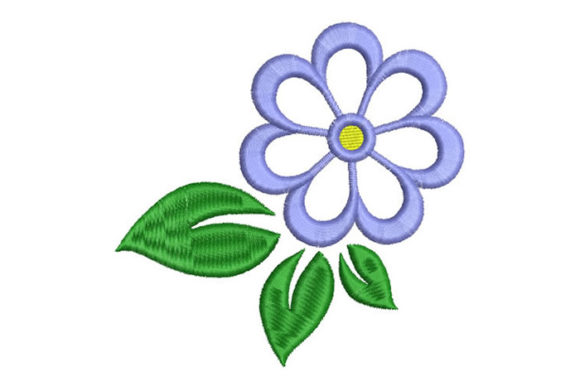
The visual personality of this motif is undeniably fresh. It captures the essence of spring without feeling cliché. The layout is balanced, with the bloom taking center stage while the foliage provides a natural, grounding frame. For those of us in the Single Flowers category, finding a design that doesn't look lonely on a garment but also isn't so busy it requires a massive hoop is a constant challenge. This file seems to hit that sweet spot, offering enough detail to be interesting from a distance but remaining clean enough to hold up under close inspection.
Real-World Application: The Tote Bag Test
To truly evaluate an embroidery project, I have to imagine it stitched out on a real product. My mind immediately went to a canvas tote bag, a staple for any Etsy seller or craft fair vendor. Picture a natural, unbleached cotton tote. The Flower with Green Leaves design, stitched in vibrant greens and a soft pastel or bold primary for the petals, would look incredibly chic here. It's the kind of handmade product that sells itself because it looks professional yet approachable.
I can also see this thriving as sweatshirt embroidery. A oversized, cream-colored fleece sweatshirt with this floral motif placed slightly off-center on the chest creates an instant boutique vibe. It's not too large to overwhelm the garment, nor is it so small it gets lost in the fabric texture. For custom apparel decorators, this is a versatile asset. It works equally well on a denim jacket pocket or as a subtle accent on a linen apron. The "fresh touch" mentioned in the description isn't just marketing fluff; the open nature of the design suggests breathability and lightness, which translates well visually even when using dense fill stitch areas.
Technical Performance and Stitch Quality
Digging deeper into the technical aspects, the success of any digital embroidery file lies in its stitch construction. While I cannot verify the exact stitch count without running the file, the visual preview suggests a thoughtful mix of techniques. The leaves likely utilize a combination of satin stitch for the outlines and perhaps a lighter fill for the interior, which helps prevent the "cardboard" effect that plagues poorly digitized florals. The flower petals appear to rely on smooth satin columns, which, if the tension is correct, will yield a lovely sheen.
However, practical judgment dictates caution. When dealing with thread colors, contrast is key. If you are stitching this on a dark fabric, you must ensure the green leaves don't blend into the background. A test run on scrap fabric is non-negotiable. I always advise checking how the stitch density behaves on different materials. On a thick terry cloth towel, the details might sink in, whereas on a crisp poplin shirt, they will pop. The transition between the flower and the leaves needs to be seamless; jagged jumps or excessive trims can ruin the finished product and increase production time for small business owners.
Navigating Fabric Challenges
Not every surface is created equal. While this design is versatile, there are scenarios where Flower with Green Leaves requires extra attention. If you are attempting this on stretchy knits, such as a baby onesie for baby embroidery projects, the stability of the design is paramount. Without the proper stabilizer, the satin stitches could pucker, distorting the delicate shape of the petals. Similarly, textured fabrics like heavy wool or looped towels can obscure the finer details of the leaf veins.
Curved surfaces present another hurdle. Placing this on a cap is possible, but the curvature of the front panel might compress the lower leaves, making them look squashed. In such cases, scaling the design down slightly or adjusting the placement higher on the crown might be necessary. For embroidered patch creation, this design is a strong contender, provided the merrow edge or hot cut border doesn't eat into the outer tips of the leaves. Always review the hoop size requirements; while it looks compact, ensure your machine's smallest hoop can accommodate the widest part of the foliage without re-hooping.
Commercial Viability and Brand Consistency
For craft business owners and creative entrepreneurs, the value of a design extends beyond aesthetics; it's about brand consistency and customer trust. Using a high-quality embroidery file like this signals professionalism. Customers can tell when a design is crisp and well-executed versus one that is pixelated or poorly stitched. This particular motif offers a level of sophistication that elevates a simple personalized gift into a keepsake.
Imagine using this for a series of holiday embroidery gifts, perhaps on tea towels for a hostess present or pillow covers for a nursery. The universal appeal of a flower ensures it fits various themes without feeling out of place. It enhances the perceived value of the item, allowing makers to justify a higher price point. Furthermore, for those selling design assets or printable mockups, this image renders beautifully. Its clean lines make it ideal for digital previews, helping potential buyers visualize the end result before purchasing.
Final Designer Notes and Best Practices
Before committing to a full production run or listing this as a small shop product, there are a few critical steps to take. First, always check the licensing terms. Just because a file comes in multiple formats doesn't automatically grant commercial rights. Confirm whether you can sell the finished product or if there are restrictions on the number of items. Second, test the design in black and white mockups to ensure the contrast holds up even without color reliance. This is a great trick to verify that the running stitch details and fills are distinct.
Pay close attention to the small details. Are there tiny isolated stitches in the center of the flower that might pull out after washing? Is the connection between the stem and the leaf secure? These micro-decisions in digitization determine the longevity of the item. Finally, consider your audience. If you are targeting a minimalist aesthetic, this design is perfect. If your brand leans towards maximalism, you might need to pair it with other elements, though it stands strong on its own.
In conclusion, Flower with Green Leaves is a robust, adaptable addition to any designer's library. It bridges the gap between hobbyist charm and commercial viability. Whether you are decorating custom apparel, creating boutique branding materials, or simply making a personalized gift for a friend, this design offers the reliability and beauty needed to create something truly special. Just remember to respect the fabric, choose your stabilizer wisely, and let the natural elegance of the flower shine through your craftsmanship.