Baseball Cap Design Review for Small Business Merch
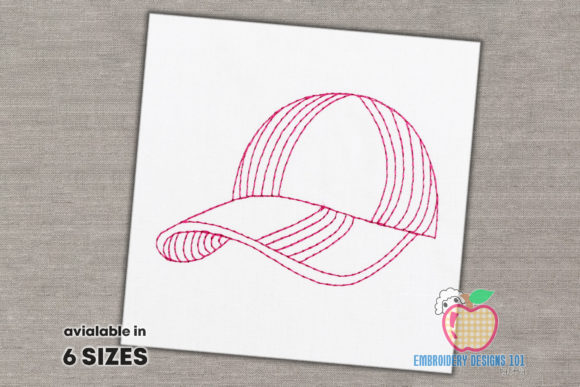
As an embroidery designer who has spent years digitizing and stitching for boutique brands, I approach every new machine embroidery design with a critical eye toward commercial viability. It is not just about whether a pattern looks cute on a screen; it is about how that digital embroidery file translates into a tangible asset that builds brand identity. Today, I am reviewing the Baseball Cap design, a sports-themed motif described as simple, cute, and adventurous. For small business owners, Etsy sellers, and apparel decorators, this review breaks down how this specific artwork performs when moved from a computer folder to a finished product.
First Impressions: Visual Personality and Brand Fit
The immediate impression of the Baseball Cap design is one of approachable energy. The description highlights its "simple and cute" nature, which suggests a visual style that is friendly rather than aggressive or overly corporate. In the world of custom apparel, this is a crucial distinction. A design that feels too rigid can alienate customers looking for lifestyle brands, while something too chaotic lacks professionalism. This motif strikes a balance, offering an "adventurous accent" that works exceptionally well for businesses wanting to project a sense of activity and community.
For a local café, a pet brand, or a creative studio, this design does not scream "corporate uniform." Instead, it whispers "lifestyle." It feels handmade yet polished, making it an ideal candidate for small business merch that aims to feel personal. Whether you are running a florist shop looking to brand your delivery tote bags or a bakery wanting to outfit staff in stylish aprons, the playful yet classic vibe of this Embroidery asset allows for versatility without sacrificing clarity.
Real-World Application in Commercial Embroidery
When evaluating a design for business use, we must look beyond the t-shirt. The true value of a versatile embroidery file lies in its adaptability across various substrates. Here is how the Baseball Cap design performs in specific commercial scenarios:
- Embroidered Patches: Given its defined shape, this design is a prime candidate for creating custom patches. These can be sewn onto denim jackets, canvas backpacks, or even used as hang-tags on handmade products to elevate perceived value.
- Staff Uniforms and Aprons: For hospitality businesses, apron embroidery needs to withstand frequent washing while remaining legible. The simplicity of this design suggests it will hold up well on twill or cotton blends without becoming a muddy mess of thread after dozens of cycles.
- Cap Embroidery: Ironically, despite the name, using this design on actual caps requires care. However, for unstructured dad hats or trucker caps, the "sports" theme aligns perfectly with the garment's intent, creating a cohesive finished product.
- Tote Bag Design: Canvas totes are a staple for boutiques. Placing this motif on the corner of a bag adds that promised "adventurous accent" without overwhelming the surface area, making it perfect for customer gifts or event swag.
The description notes that the file comes with "multiple embro" options, likely referring to multiple hoop sizes or formats. This is vital for commercial embroidery shops that need to scale a design from a small chest logo to a larger back piece. Having these variations ensures you can maintain visual consistency across different product lines, from gym bags to workout clothes.
Technical Considerations and Potential Pitfalls
While the aesthetic appeal is strong, a professional review must address the technical execution. Not every surface is created equal, and the Baseball Cap design has specific constraints that designers must respect to ensure quality.
First, consider stitch density. Sports designs often utilize satin stitches to create a shiny, bold look. If the density is too high on a lightweight fabric, such as a thin performance tee, the material may pucker or tear. Always test the design on a scrap piece of your intended fabric before committing to a production run. Second, be cautious with cap embroidery applications if the design includes fine details. The curved surface of a hat front distorts perspective; intricate outlines or tiny lettering within the design might get lost or look misaligned once stitched on a curve.
Furthermore, thread colors play a massive role in recognition. If you are stitching this onto dark uniforms, ensure there is sufficient contrast. A "cute" design can quickly become invisible if the thread tone blends too closely with the background. Similarly, fabric texture matters. On highly textured items like fleece hoodies or looped towel gym bags, small details can disappear into the pile. In these cases, a slightly larger version of the design or one with thicker outlining is preferable.
Strategic Placement for Maximum Impact
To maximize buyer engagement and product value, placement is key. Do not simply default to the center chest. Consider using the Baseball Cap motif as a sleeve detail on work shirts or a subtle mark near the hem of a tote bag. These unexpected placements signal a higher level of design thinking, distinguishing your handmade product from mass-produced generic merchandise. For bakeries or florists, placing the design on the pocket of an apron or the strap of a delivery bag creates a memorable brand touchpoint that customers notice and appreciate.
Designer Notes for Production Success
Before launching this design as part of your design assets collection or using it for client work, follow these practical steps to ensure professional results:
- Test in Black and White: Remove color variables to check if the shape and structure of the design hold up on their own. If it looks good in monochrome, it will look great in color.
- Verify Small Patch Viability: Stitch the smallest available size on a test patch. Ensure that no elements merge together and that the hoop size limitations do not crop essential parts of the image.
- Review Stabilizer Requirements: Different fabrics demand different support. Use a cut-away stabilizer for stretchy workout clothes and a tear-away for stable wovens like twill caps.
- Create a Printable Mockup: Before stitching, generate a printable mockup to show clients how the design interacts with their specific garment color and style. This manages expectations and secures approval.
- Confirm Licensing: Since this is for business use, double-check the license terms included with the file. Ensure you have the rights for commercial embroidery and unlimited production runs if necessary.
It is also important to note that while the description mentions "multiple embro," it does not specify exact stitch counts or file formats like PES or DST. Always download the preview or contact the creator to confirm compatibility with your specific machine setup. Never assume a file is ready for a specific hoop without checking the dimensions first.
Final Verdict on Brand Identity
The Baseball Cap embroidery design is a robust tool for building brand identity. It offers the perfect blend of sportiness and charm that modern consumers respond to. When executed with attention to thread colors, fabric choice, and placement, it transforms standard items like gym bags and t-shirts into branded experiences. For the small business owner, this design represents more than just decoration; it is a vehicle for trust, recognition, and professionalism. By treating this digital embroidery file as a strategic asset rather than a mere embellishment, you can create merchandise that customers are proud to wear and carry, ultimately driving loyalty and growth for your brand.